
Ultimate Winter Backcountry Gear Guide: How to Layer, Pack, and Travel Safely
- Posted on
- Posted in Backcountry, Outbound Mountain Gear
- 0
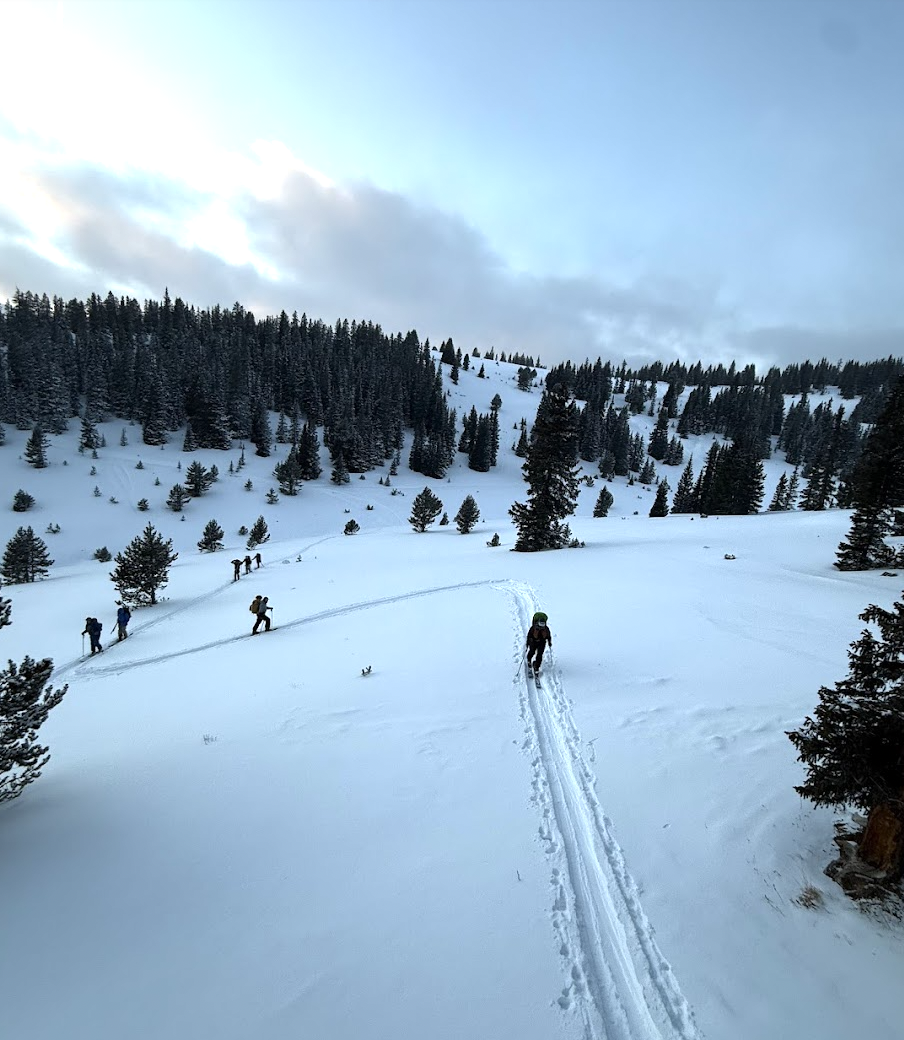
Winter backcountry travel is one of the most rewarding ways to experience the mountains—but it demands preparation, education, and the right gear. This winter backcountry gear guide is designed to help you choose the right clothing, safety equipment, and planning tools for confident travel in snowy, mountainous terrain in Colorado.
Ultimate Winter Backcountry Gear Guide: How to Layer, Pack, and Travel Safely
Winter backcountry travel is one of the most rewarding ways to experience the mountains—but it demands preparation, education, and the right gear. This winter backcountry gear guide is designed to help you choose the right clothing, safety equipment, and planning tools for confident travel in snowy, mountainous terrain in Colorado.
Why Proper Gear and Preparation Matter
Dressing properly and carrying the correct equipment dramatically increases both safety and enjoyment in the winter backcountry. Mountain weather can change quickly and drastically. Clear skies can turn into high winds, snowfall, or whiteout conditions in minutes.
Always pack for the season—not the forecast. When selecting clothing and gear, think about what you would need to survive a long period of inactivity in cold, wet, or windy conditions.
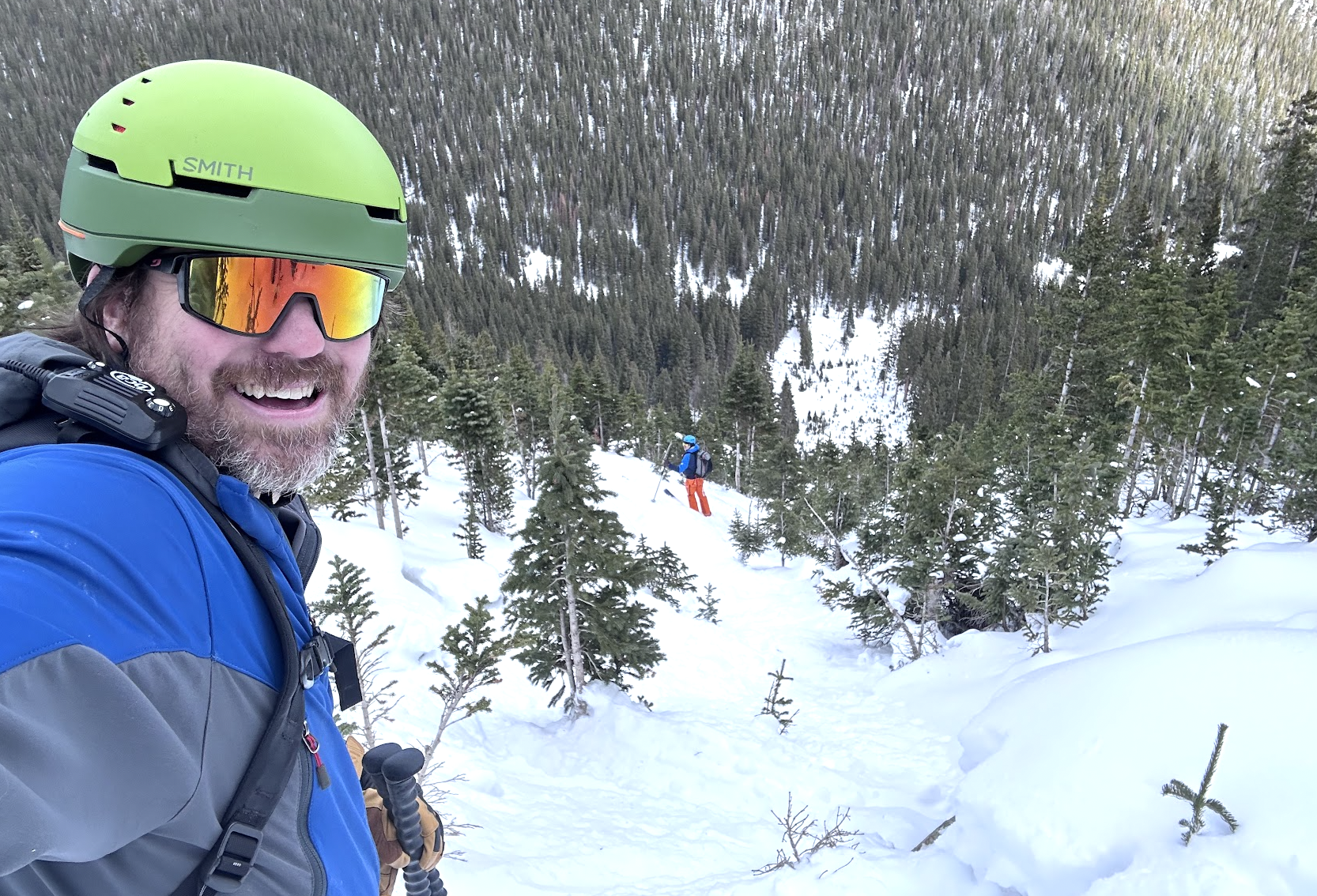
Backcountry Layering System: Dress Like an Onion
The most effective way to manage temperature, moisture, and protection is by using a three-layer system. This approach allows you to add or remove layers as conditions and exertion levels change.
Base Layer: Moisture Management
Your base layer is worn next to the skin and is responsible for wicking sweat away from your body. Avoid cotton—it retains moisture and cools your body quickly.
Best materials:
-
Merino wool
-
Synthetic fabrics like polyester or nylon
These materials dry quickly and help regulate body temperature. Shop technical base layers in our store: Merino Wool Base Layers
Mid Layer: Insulation
The mid layer traps warm air generated by your body and provides insulation. It is a key part of your winter backcountry packing list.
Common mid-layer materials:
-
Fleece
-
Synthetic insulation
-
Down insulation
How to adapt your mid-layer:
-
Warm temps or sustained movement: You may not wear a mid-layer, but always carry one.
-
Cool conditions: Fleece or light synthetic insulation works well.
-
Cold or glacial environments: Thick down jackets offer excellent warmth but must be kept dry.
Recommended insulation options: Mid Layers
Shell Layer: Weather Protection
A shell layer protects you from wind, rain, and snow. Waterproof and breathable fabrics are best for backcountry ski gear Colorado.
Key features:
-
Sealed seams
-
Ventilation zips for temperature control
Softshell layers are more breathable and flexible, ideal for high-output activities. Explore storm-ready protection: Waterproof Shell Jackets
Temperature Management: Stay Dry to Stay Warm
A common mantra is “Be bold, start cold.” You will warm up quickly once you begin moving.
-
Remove layers before you start sweating
-
Slow your pace to reduce moisture buildup
-
Put shell layers on before rain or snow soaks your clothing
-
Use a pack rain cover to keep essential layers dry
Staying dry is the foundation of staying warm in winter backcountry adventures.
Head, Hands, and Eye Protection
Heat loss is significant through the head and hands.
Headwear:
-
Warm beanie (wool or synthetic)
-
Buff or ball cap for ventilation and sun protection
Gloves:
-
Liner gloves for movement and breathability
-
Insulated shell gloves for warmth during stops
Eye Protection:
Snow reflects roughly 80% of UV rays. Protect your eyes: Sunglasses and goggles
Avalanche Safety Gear
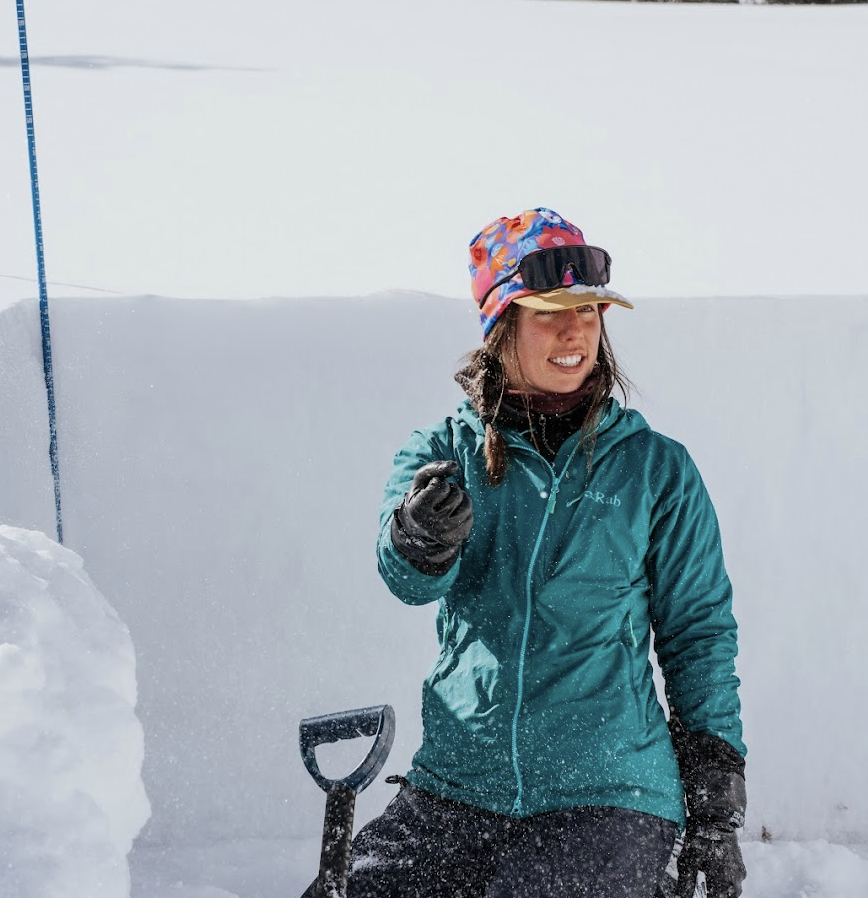
Anyone traveling in avalanche terrain should carry the three essential pieces of avalanche safety equipment. This is critical for winter hiking safety tips and rescue preparedness.
Avalanche Transceiver (Beacon): Sends and receives signals to locate buried individuals. Recommended: Avalanche Beacons
Avalanche Probe: Collapsible rod used to locate buried victims. Recommended: Avalanche Probes
Avalanche Shovel: Durable metal shovel for effective snow removal. Recommended: Avalanche Shovels
First Aid and Repair Kits
First Aid Kits: Appropriate for your group size, trip length, and proximity to help. Browse ready-to-go options: Backcountry First Aid Kits
Repair Kits: Ski straps, multi-tools, spare parts for repairs. These kits ensure safety and minimize downtime.
Mode of Travel
Your gear should match your travel mode:
Navigation and Communication
Do not rely solely on electronic devices. Backcountry navigation tools are essential.
-
Topographical map & compass (know how to use them)
-
GPS device or smartphone
-
Personal locator beacon (inReach)
-
Two-way radios
Navigation gear: Maps & Compasses, Satellite Communicators, Radios
Food, Water, and Emergency Shelter
-
Plan for 2–3 liters of water per person; bring filtration or purification tablets
-
Pack food for the trip plus extra; balance carbs, fats, and proteins
-
Emergency shelter: tarp, bivy sack, or space blanket
Planning, Education, and Skills
Before heading out:
-
Define your activity, group, and route
-
Check weather & avalanche forecasts
-
Share itinerary & return times
-
Create a bailout plan
Education pathway:
-
Intro to Backcountry Courses & Free Resources
-
AIARE Avalanche Level 1 & Level 2 (AIARE Courses Colorado)
-
Refresher clinics to stay current
First aid training is strongly recommended: Wilderness First Responder
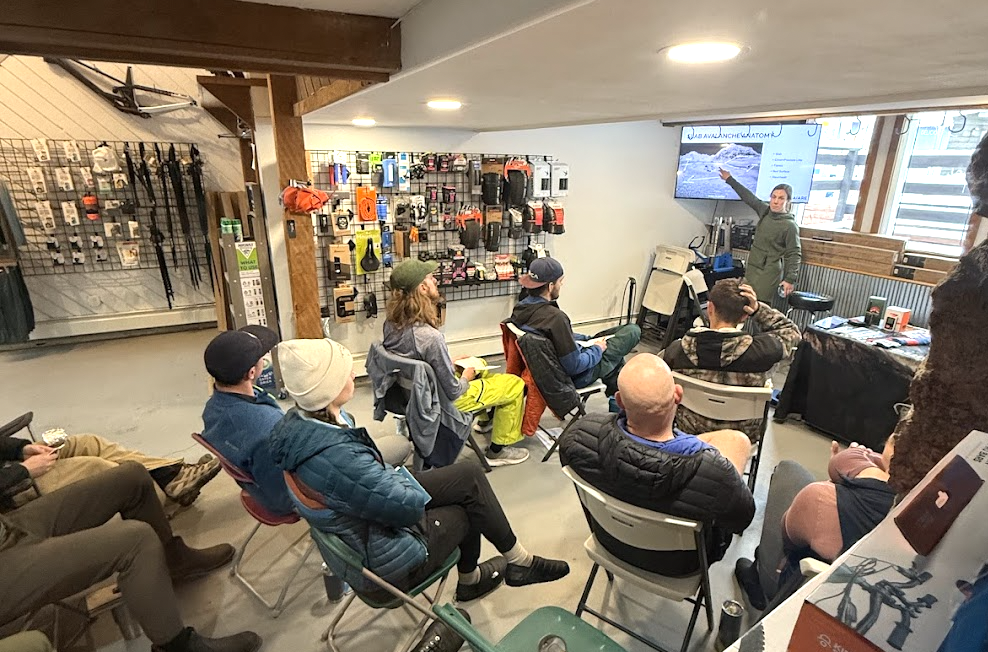
Ready to Gear Up or Learn More?
Frequently Asked Questions (FAQ)
Q: What is the most important clothing layer for winter backcountry travel?
A: The base layer is critical because it manages moisture and keeps you warm.
Q: Do I need avalanche gear if I’m just snowshoeing?
A: If you are in or below avalanche terrain, yes. Always carry beacon, probe, and shovel.
Q: Are AIARE courses worth it?
A: Absolutely. They provide essential skills for avalanche awareness and safe decision-making.
Comments
Be the first to comment...